News

A publishing agency to design and acquire publishing license for the book: Vietnamese Men: New Portraits in an Old Frame
TERMS OF REFERENCE Project title: Strengthening Feminist Foundation in Viet Nam Description of Supply/Service: A publishing agency to edit, design book layout and cover, and acquire publishing license for the book: “Vietnamese Men: New Portraits in an Old Frame” Duration: December 2022 Book description: – Name: “Vietnamese Men: New Portraits in an Old Frame” – […]
Venue and event services for 01-day workshop
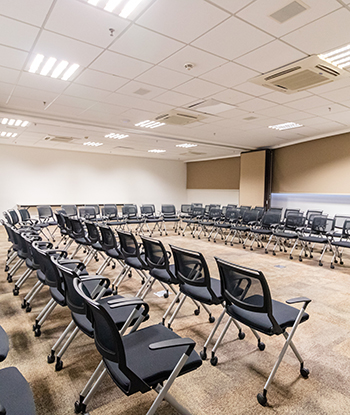
TERMS OF REFERENCE Project title: Strengthening Feminist Foundation in Viet Nam Service: Venue and event services for 01-day workshop “Connecting to Strengthen the application of Feminist approach in Viet Nam” for 100 participants Date: 9th Dec 2022 Description of Supply/Service: The workshop is in 01 day, on December 9th 2022 in Ha Noi. Workshop venue: […]

Venue and event services for 03-day training and seminar
TERMS OF REFERENCE Project title: Strengthening Feminist Foundation in Viet Nam Position: Venue and event services for 03-day training and seminar for 28-30 participants, on the topic of Feminist perspectives in social development areas in Viet Nam Duration: 22nd to 24th Sep 2022 Description of Supply/Service: The trainings and seminar is organised in 03 days, […]
Areas of Expertise

Gender and Sexuality
From its earliest years, ISDS has been pioneering unique studies of gender, sexuality and sexual health in Vietnam. Two most notable studies are a qualitative inquiry on social construction of sexuality in Vietnam in 2003; and a national survey on sexuality and sexual health in 2009.

Social Inclusion
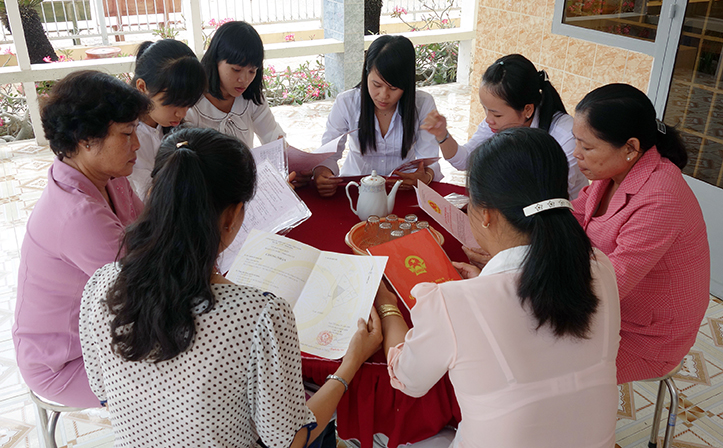
ISDS’s promoting social inclusion activities are to improve the capacity of CBOs of people living with HIV, men who have sex with men, drug users and sex workers within the Global Fund project, which ISDS has been implementing since the second half of 2011. The main purpose is to empower those groups to protect their rights, support them to participate more effectively into the national HIV prevention programs as well as social inclusion.
Publications
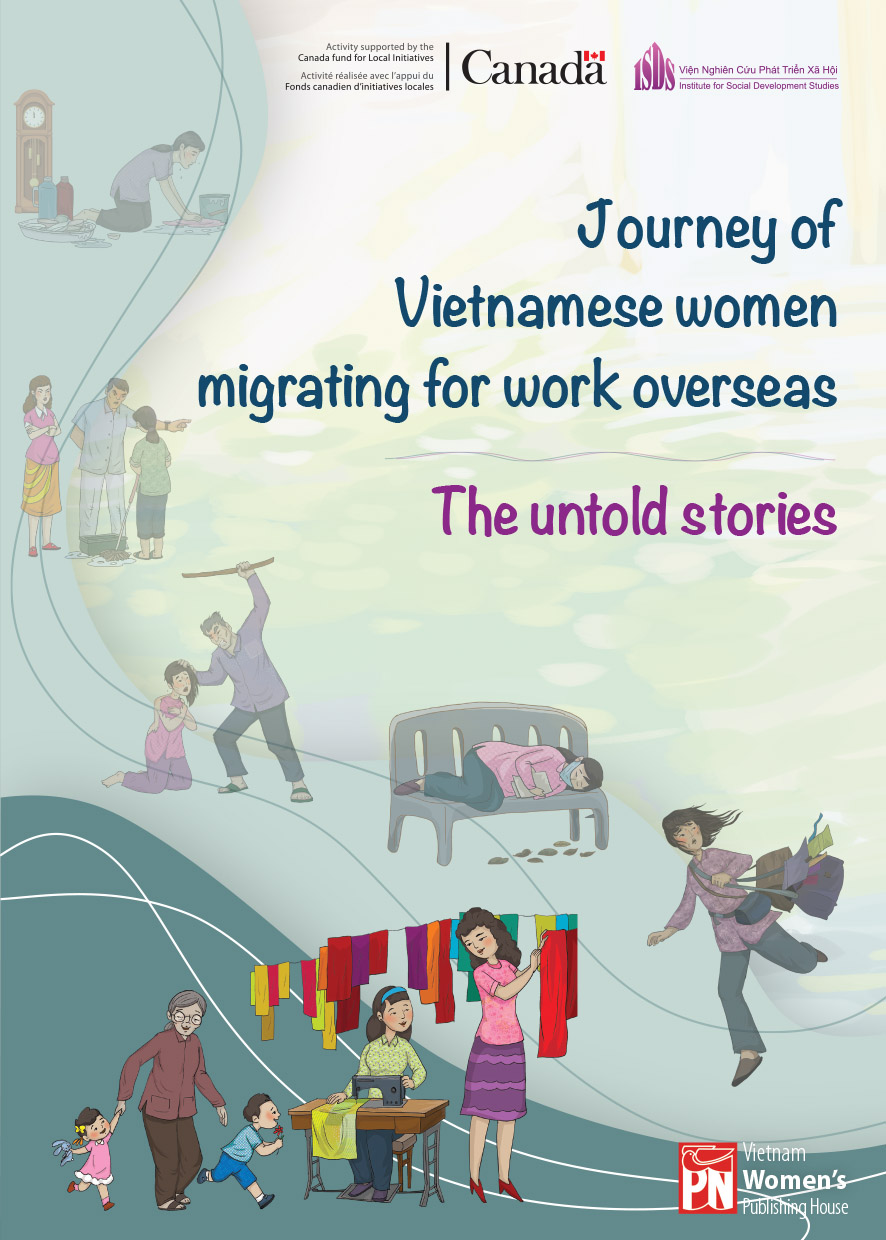
Journey of Vietnamese women migrating for work overseas – The untold stories
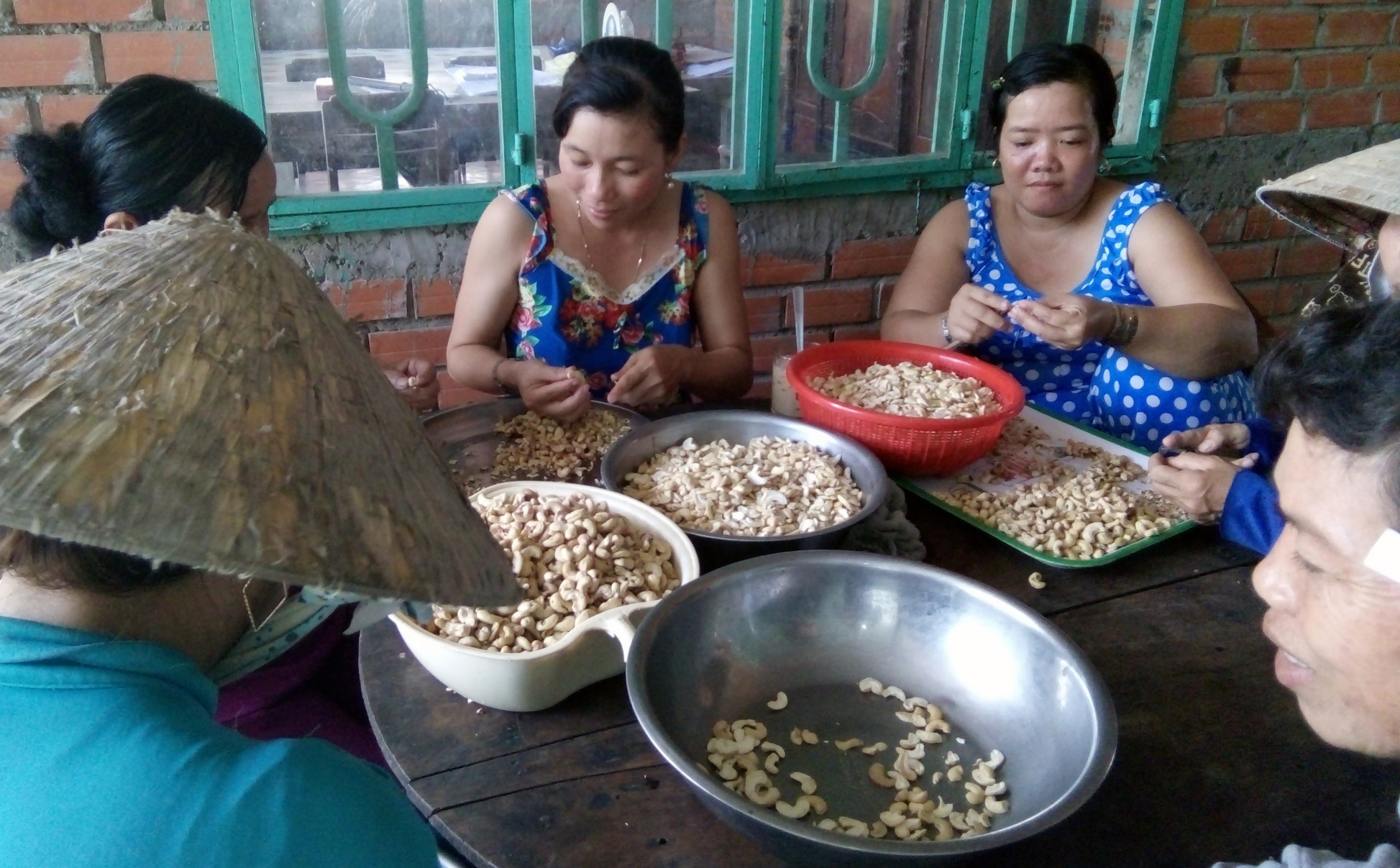
This volume is a collection of stories about the lives of Vietnamese women while working abroad, told by members of the network of women who migrated for work overseas in Ha Tinh. With their permission, we edited and rearranged the most quintessential stories from hundreds of stories shared by the migrant women. The stories are […]
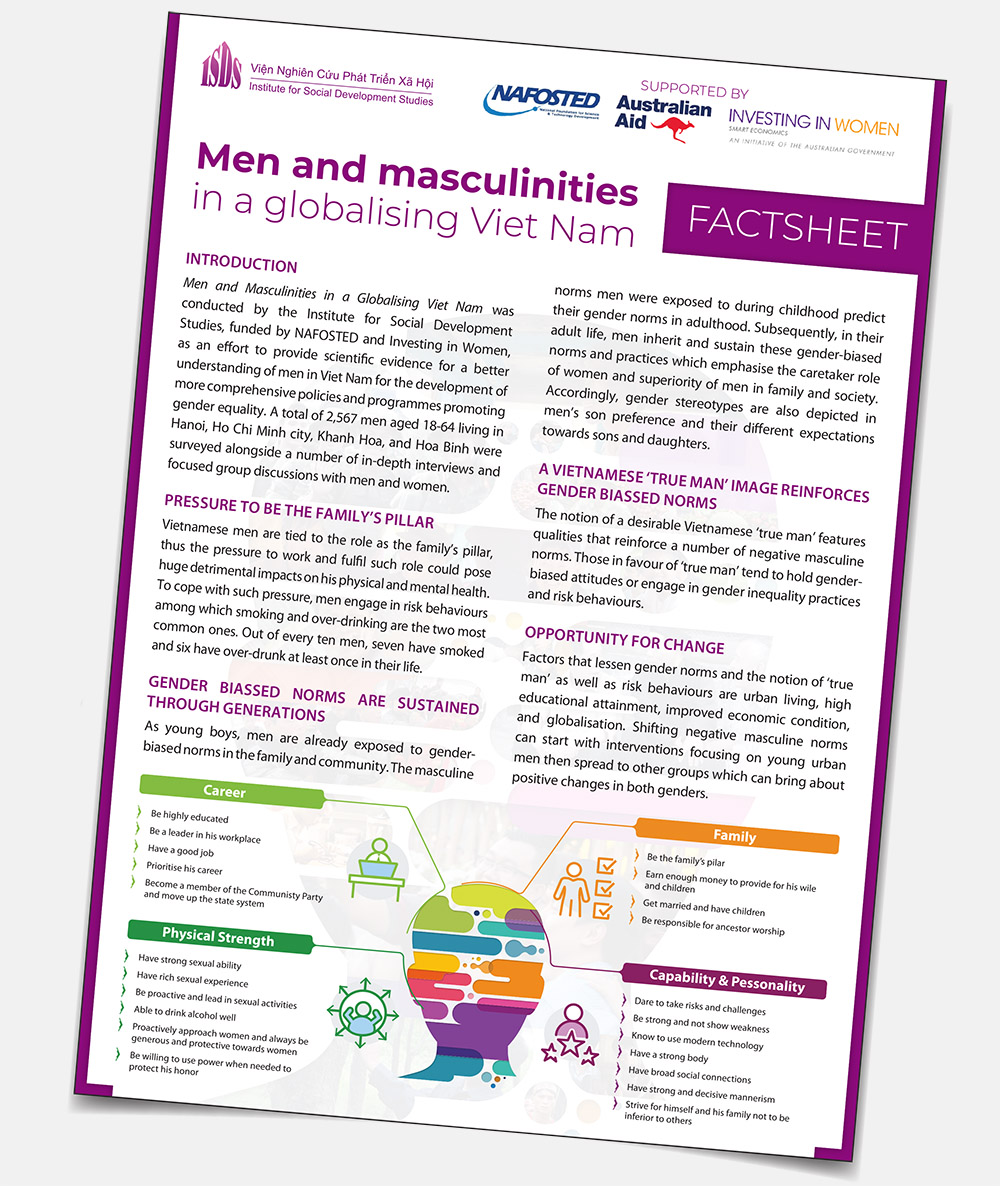
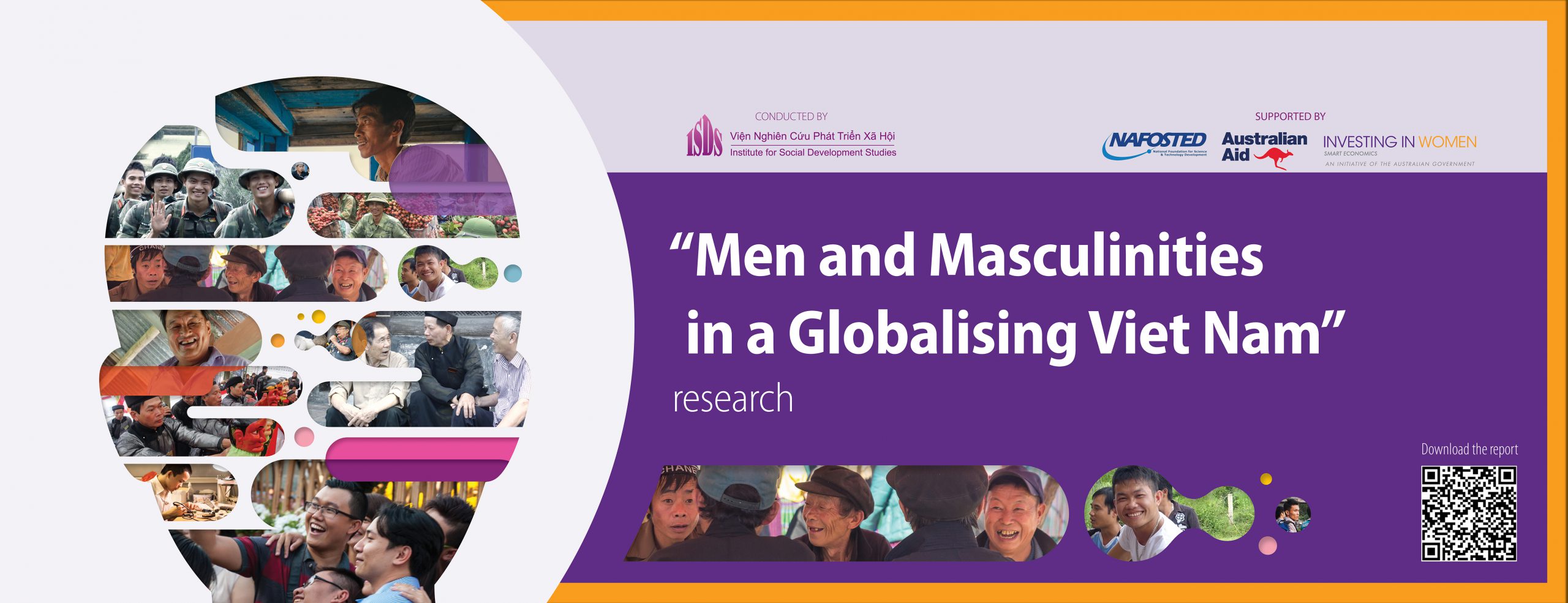
‘Men and Masculinities in a Globalising Viet Nam’ Factsheet
‘Men and Masculinities in a Globalising Viet Nam’ was conducted by the Institute for Social Development Studies, funded by NAFOSTED under grant number 504.05-2018.02 and Investing in Women, as an effort to provide scientific evidence for a better understanding of men in Viet Nam for the development of more comprehensive policies and programmes promoting gender […]
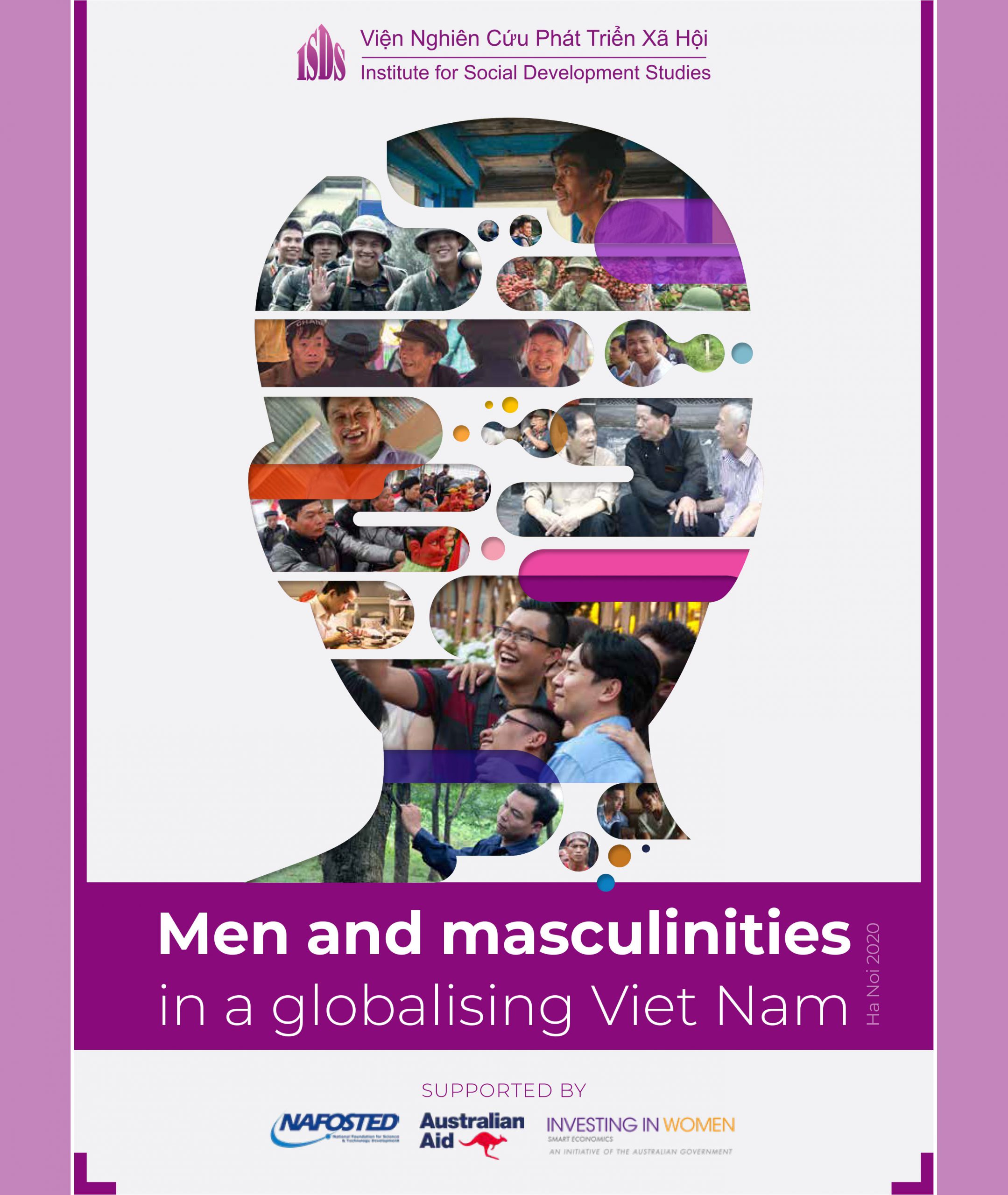
Men and masculinities in a globalising Viet Nam
Men and Masculinities in a Globalising Viet Nam was conducted by the Institute for Social Development Studies, funded by NAFOSTED and Investing in Women, as an effort to provide scientific evidence for a better understanding of men in Viet Nam for the development of more comprehensive policies and programmes promoting gender equality. A total of […]